
 home
home sport betting
 live casino
 fishing game
 lottery
 Guide aq999
Fish hunter king is an arcade-style fish shooter built around aiming, cannon selection, ammunition spending, and changing targets. Simple controls still require decisions about when to fire, conserve coins, or change targets. For Bangladeshi readers exploring AQ999, those decisions matter more than treating rapid shooting as a shortcut to returns.
Core features and gameplay mechanics of fish hunter king
The basic loop combines target tracking with ammunition decisions across a busy underwater playfield. In fish hunter king, efficiency starts with understanding shot costs before chasing prominent creatures. The following mechanics show how controls and target categories shape play without implying guaranteed results.
Getting started with the rules and controls
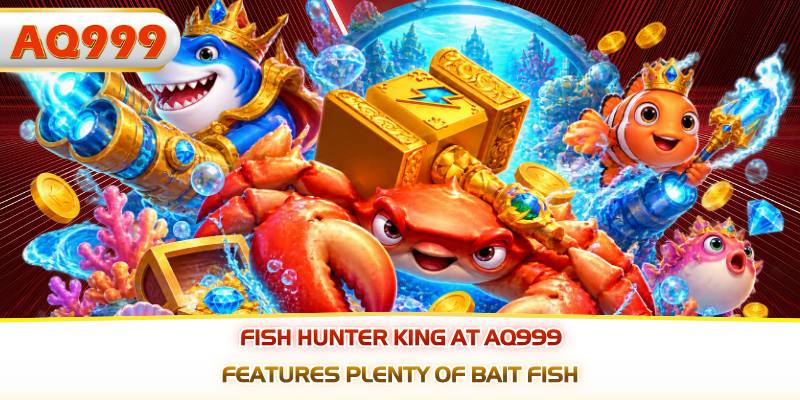
A typical session starts by selecting an available cannon, aiming its reticle toward a moving marine creature, and firing measured shots. Each bullet consumes coins or an equivalent in-game balance, so holding the fire button continuously can drain a budget surprisingly quickly. fish hunter king therefore rewards attention to shot frequency, target movement, and whether continued firing still fits the chosen spending limit.
Players should test lower-cost cannon settings first, especially when learning movement patterns or using a smaller entertainment budget on mobile. The coin-to-bullet economy makes unnecessary shots costly because ammunition spending accumulates even when a target remains uncaptured.
Special fish types and high-value boss targets
Targets are commonly presented in visual tiers, with ordinary fish appearing more frequently and larger or distinctive creatures signaling greater potential value. The supplied outline references King Crab and Golden Dragon as boss examples, but provides no verified multiplier values or exact reward figures.
In fish hunter king, players should treat those names as target categories rather than assume a specific payout unsupported by confirmed data. Larger targets invite heavier shooting, yet extra ammunition increases overall spending during an unsuccessful chase. Compare target importance with the current balance, then disengage when continued firing exceeds the session budget.
Cannon upgrades and weapon arsenal overview
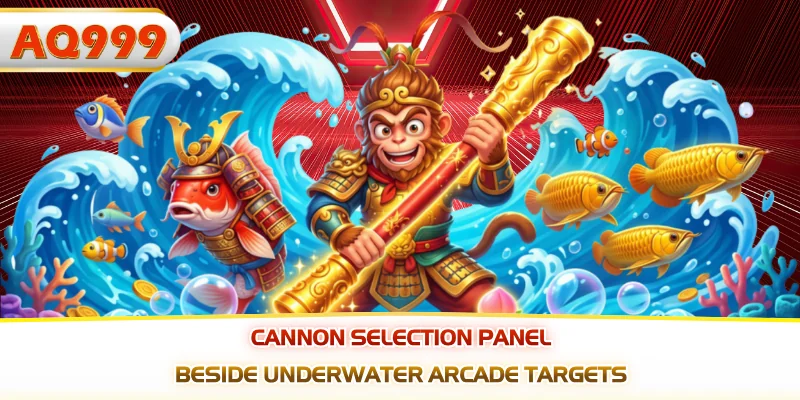
Cannon choice affects spending pace and target selection. No verified cannon names, ratings, or shot costs were supplied, so this comparison uses functional categories rather than invented specifications. They are practical descriptions, not confirmed weapon labels in fish hunter king.
| Cannon type | Power level | Cost per shot | Best target/usage |
| Lower-cost setting | Conservative | Lower relative spend | Common targets and learning aim |
| Mid-range setting | Balanced | Moderate relative spend | Selective shots at tougher targets |
| Higher-cost setting | Aggressive | Higher relative spend | Short, budgeted attempts on priority targets |
| Special weapon | Situational | Depends on item availability | Dense groups or timed opportunities |
Swap cannons according to budget, not target appearance. A hypothetical BDT 1,000 entertainment budget can be divided into smaller session portions with a preset stop point. In fish hunter king, lower-cost fire preserves more attempts, while a temporary increase may suit a deliberately chosen priority target. If a room feels too costly, changing rooms is preferable to raising shot value merely to keep pace.
Strategies designed to maximize your returns
No shooting pattern can guarantee earnings, especially without verified reward data. Practical strategy focuses on ammunition costs, deliberate targets, and avoiding reactive spending after losses. For fish hunter king, the useful framework is controlled entertainment spending, selective tools, and suitable rooms.
Bankroll management and coin control
Set a fixed session budget before firing, and regard that amount as entertainment spending rather than capital expected to produce income. A loss limit helps prevent repeated top-ups after an unsuccessful sequence, particularly when rapid mobile controls make additional shots feel insignificant. In fish hunter king, small targets can still become expensive when players fire continuously without checking cumulative ammunition use against their balance.
Divide a hypothetical BDT budget into smaller portions, then pause when one portion is exhausted instead of immediately increasing cannon strength. Tracking coins per attempt reveals when chasing one creature has become disproportionate to the planned session.
The “Last-Hit” and boss hunting tactics
In multiplayer rooms, a nearly defeated-looking boss can attract several shooters, but visual appearance alone may not reveal capture probability or contribution rules. A last-hit approach means waiting for a contested target before committing ammunition, yet its effectiveness depends entirely on the game’s actual mechanics.
Fish hunter king players should not assume another participant’s prior shots make the next bullet profitable unless verified rules explicitly support that conclusion. Boss hunting is better treated as a capped attempt: decide the maximum ammunition allocation beforehand and stop when that allocation is reached. This prevents competitive pressure from turning a shared target into an open-ended, increasingly expensive chase.
Boosting performance with special items and power-ups
Special tools matter only when their effect fits the screen situation, and exact item behavior was not verified in the supplied information. If lasers, frozen bombs, or auto-aim appear, confirm their on-screen descriptions before activation.
- Use a laser when its displayed pattern can cover worthwhile targets, rather than firing simply because the screen looks crowded.
- Save freezing effects for moments when slower movement improves aiming, provided the game confirms that function.
- Treat auto-aim as a convenience, not a profit system; automated targeting cannot make uncertain outcomes predictable.
- Check whether a power-up consumes coins, charges, or inventory, then include that cost within the session budget.
Choosing the right gaming room for your skill level
Beginner-style rooms generally suit learning when their displayed stakes or ammunition costs are lower, but players should verify actual room conditions onscreen. Intermediate rooms can make sense after controls feel familiar and the player understands how quickly different cannon settings consume the available balance. High-roller rooms require particular caution because larger displayed stakes can accelerate losses, regardless of experience or confidence with fish hunter king.
Rather than optimizing for promised ROI, compare room costs with a predetermined entertainment budget and choose the level that allows controlled participation. If a room encourages uncomfortable spending or rapid balance depletion, leaving it is a stronger budget decision than chasing previous losses.
Conclusion
Fish hunter king combines arcade aiming, cannon management, target selection, and situational tools in a format where spending discipline remains essential. Boss targets and power-ups may add variety, but their exact rewards or effects should be judged from verified in-game information rather than assumptions. AQ999 readers exploring the title should prioritize clear controls, controlled coin use, and responsible play instead of expecting any tactic to guarantee earnings.
