
 home
home sport betting
 live casino
 fishing game
 lottery
 Guide aq999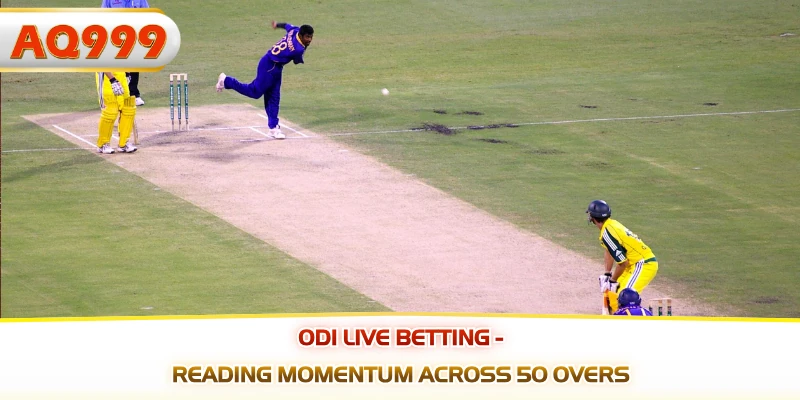
ODI live betting turns a 50-over cricket match into changing decisions shaped by score, wickets, conditions, and required rate. For Bangladeshi readers, AQ999 provides the article context while the focus remains on understanding in-play markets without promising outcomes. You will learn how powerplays, middle overs, death overs, pitch behavior, and chasing pressure can influence prices during matches.
Essential concepts of ODI live betting
An ODI rarely develops at one constant pace, so prices can change when the match situation shifts. ODI live betting therefore requires context rather than reactions to isolated boundaries, wickets, or displayed prices. Understanding each innings phase provides a useful framework for interpreting those changes.
The 50-over rhythm and momentum shifts
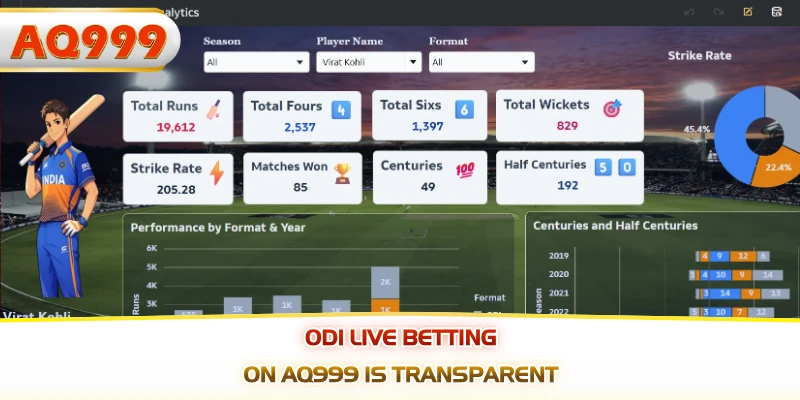
A 50-over innings moves through tactical periods as teams balance wicket preservation, strike rotation, boundaries, and acceleration. In ODI live betting, consecutive boundaries, wickets, partnerships, or quiet overs can quickly alter market expectations. Short scoring bursts should be assessed against wickets remaining, batting depth, pitch behavior, and overs still available.
Slow scoring with wickets intact may leave acceleration potential, while early dismissals can restrict attacking options later. Smartphone users can check recent overs, partnerships, wickets, and required rates before considering an in-play wager.
Live odds movement during the powerplay phases
Opening powerplays encourage attacking strokes through fielding restrictions, although the new ball can also create wicket-taking opportunities. ODI live betting prices may shift when openers accelerate, bowlers find movement, or several wickets fall early. Compare the current score with wickets lost, batting depth, and visible swing or bounce before reacting.
A productive powerplay strengthens an innings, but its importance depends partly on whether established batters can continue afterward. Since prices refresh rapidly, users should verify displayed odds and their selected market before confirming any stake.
Reading the middle overs (11-40) for value bets
Overs 11–40 often reveal innings control as teams manage spin, partnerships, wickets, strike rotation, and later acceleration. For ODI live betting, useful signals include dot-ball pressure, boundary frequency, partnership stability, and bowling matchups. A moderate run rate may remain strategically acceptable when wickets are preserved for a stronger finishing phase.
Conversely, a healthy score can weaken when established batters depart and incoming players face disciplined bowling. Compare evolving required rates with available batting resources while remembering that every in-play price remains uncertain.
Capitalizing on death-over volatility
The final ten overs can produce sharp scoring swings as batters attack while bowlers deploy yorkers and slower deliveries. ODI live betting becomes volatile because an expensive over or consecutive wickets can trigger immediate market repricing.
Check wickets remaining, established batters, bowling options, boundary dimensions, and recent execution before interpreting sudden movements. Avoid increasing stakes simply because an earlier selection lost, since late-innings uncertainty can magnify financial losses. A hypothetical BDT 1,000 session budget can separate entertainment spending from emotional reactions during intense finishes.
Key in-play markets and live data analysis
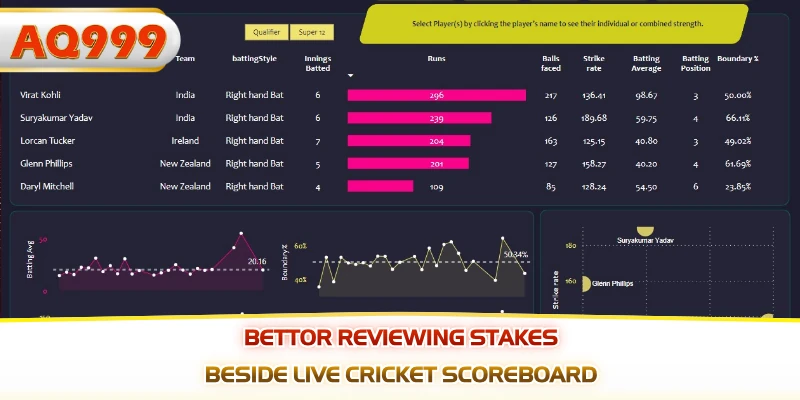
Live markets convert changing match situations into selectable outcomes. ODI live betting analysis improves when the chosen market matches information you can interpret reliably. Market structure and pitch behavior are therefore important when assessing changing prices.
Live betting market types and fast settlement options
In-play menus may contain several market categories, although exact availability and settlement rules vary between operators and events. ODI live betting users should read labels carefully because similarly named selections can settle under different conditions. Faster-settling markets shorten exposure time but do not remove the financial risks associated with wagering.
| Live market | Selection concerns | Important information |
| Match winner | Which team wins | Score, wickets, required rate |
| Innings runs | Final team total | Overs left, wickets, scoring pace |
| Next wicket | Next dismissal event | Matchup and market rules |
| Over runs | Runs in one over | Bowler, batters, exact line |
| Milestone market | Reaching a stated mark | Progress and settlement terms |
Pitch degradation and second-innings chasing odds
An ODI surface can change as wear, heat, or moisture loss affects pace, bounce, grip, and stroke-making. In ODI live betting, chasing odds should therefore be considered alongside pitch behavior rather than required rate alone. If slower bowling becomes difficult to attack, a manageable target can require greater risk during middle overs.
Dew or evening conditions may change ball behavior, although their effects vary between venues, weather patterns, and matches. Use observed bounce, turn, timing, dismissals, and partnerships as evidence instead of relying entirely on pre-match assumptions.
Risk management for ODI in-play live betting
In-play wagering combines uncertain outcomes with fast decisions, making pre-set risk controls particularly important. More live information does not make match outcomes predictable or remove financial risk. Hedging and execution discipline can manage exposure without eliminating losses, market movement, or bookmaker margins.
Utilizing hedging strategies during live matches
Hedging means opening another position intended to reduce exposure after the circumstances or price of an earlier wager change. It can reduce downside, but additional wagers also increase complexity and may reduce potential returns.
- Set a maximum affordable loss before play begins and treat that amount strictly as entertainment expenditure.
- Calculate combined exposure across the original wager and hedge rather than evaluating each position separately.
- Compare the hedge price with your objective because reducing potential losses usually changes the remaining upside.
- Avoid hedging repeatedly from frustration or fear when rapidly changing markets encourage impulsive decisions.
- Record stakes in BDT and review the combined result afterward to maintain clearer bankroll records.
Managing latency and execution speed in in-play bets
Latency is the delay between match action, data transmission, odds updates, bet submission, and final acceptance. In ODI live betting, moments matter because wickets, boundaries, reviews, or no-balls can suspend or reprice markets. Never assume the displayed price will remain available until confirmation during a rapidly changing passage of play.
Stable connectivity can reduce user-side delays, but it cannot eliminate operator suspensions or market-processing time. Always inspect the accepted stake and price, and avoid duplicate taps when a confirmation screen appears delayed.
Conclusion
ODI live betting works best as phase-based analysis where scores, wickets, conditions, market rules, and timing continuously interact. AQ999 appears here as the supplied brand context without implying guaranteed outcomes, verified availability, licensing status, or risk-free wagering. Treat every in-play wager as entertainment involving financial risk and maintain limits that remain affordable regardless of results.
