
 home
home sport betting
 live casino
 fishing game
 lottery
 Guide aq999
BPL predictions become more useful when recent evidence, conditions, team balance, and match situations are examined together rather than separately. For Bangladeshi cricket followers, AQ999 can serve as a reference point while readers develop a disciplined approach to evaluating upcoming fixtures. Every forecast still involves uncertainty, so statistical research should inform decisions rather than create expectations of guaranteed betting returns.
The science behind accurate BPL predictions
Strong cricket forecasting combines multiple evidence sources instead of depending on reputation, intuition, or one memorable performance. Effective BPL predictions separate repeatable performance indicators from short-term noise while considering how opposing teams interact tactically. Two particularly useful starting points are historical matchups and the balance of skills available within each playing squad.

Reviewing head-to-head performance
Head-to-head records reveal recurring matchup patterns, but BPL predictions should give greater weight to recent matches involving comparable squads and conditions. Older results can become less informative when franchises change overseas players, captains, coaches, batting orders, or their preferred bowling combinations. Analysts should examine recent scoring patterns, wickets lost, bowling economy, and competitive performances rather than relying only on simple win-loss sequences. A narrow defeat against a strong opponent may provide more useful evidence than a comfortable victory against an underperforming side.
Evaluating team composition and key matchups
Team composition determines whether a franchise possesses enough batting depth, bowling variety, and specialist skills for the expected conditions. Before finalizing BPL predictions, readers should compare likely roles rather than simply counting recognizable names within each squad.
- Opening combinations: Examine whether openers handle pace, swing, and spin effectively because early wickets can substantially change the planned scoring approach.
- Middle-order stability: Consider which batters can rebuild after wickets while maintaining sufficient scoring pressure against restrictive spin or disciplined medium pace.
- Bowling variety: Compare new-ball options, specialist spinners, change bowlers, and death specialists to determine whether the attack covers different innings phases.
- Specific matchups: Review left-right combinations and batter-versus-bowling-style tendencies, especially where one team can repeatedly target a known technical weakness.
- Available depth: Assess realistic replacements and all-round options because balanced combinations provide captains greater flexibility when conditions or match situations change.
Data-driven metrics for predicting BPL outcomes
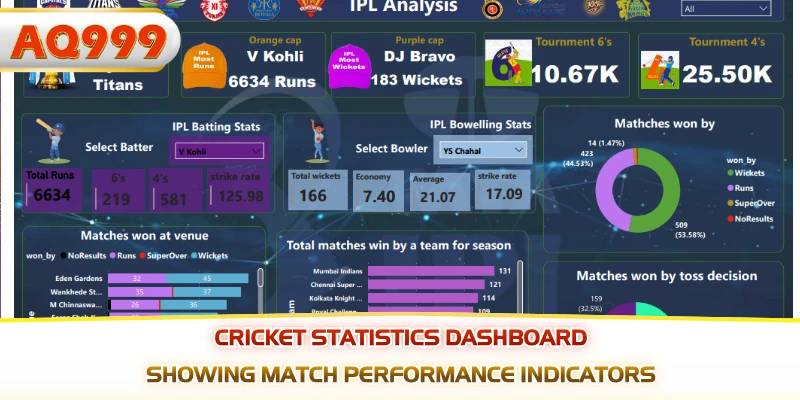
Raw results show what happened, whereas detailed metrics help explain how those results developed throughout a match. Data-based BPL predictions can compare teams across venues and innings phases while reducing excessive reliance on subjective impressions. Venue behavior, powerplay efficiency, death-over execution, broader averages, and toss context each contribute different evidence to that assessment.
Venue specific stats and pitch behavior analysis
Venue analysis matters because pitch pace, boundary dimensions, surface wear, and environmental conditions can influence how teams construct their innings. Useful BPL predictions compare scoring rates and wicket patterns at a ground without assuming every pitch there will behave identically. Analysts can examine whether recent matches rewarded pace, spin, aggressive powerplay batting, or patient accumulation through the middle overs.
Day and night fixtures may also produce different tactical considerations, so comparable match conditions provide stronger evidence than broad venue averages alone. Ground statistics work best as contextual indicators combined with current team strengths, likely lineups, and observations about the prepared surface.
Powerplay and death overs performance metrics
Powerplay performance shows whether batting units exploit fielding restrictions and whether new-ball attacks create early pressure through wickets or economical overs. For BPL predictions, comparing runs scored and wickets lost during this phase can reveal teams that frequently begin innings strongly or cautiously. Death-over numbers provide another perspective because finishing batters must accelerate while bowlers execute yorkers, slower deliveries, and boundary-protection plans under pressure.
Analysts should compare both scoring efficiency and wicket-taking ability, since economy alone may hide whether bowlers consistently disrupt aggressive finishing partnerships. Evaluating these contrasting phases helps identify where one side could gain important advantages without treating those tendencies as certain future outcomes.
Key statistical metrics for bpl match predictions
Several averages can make comparisons more systematic, provided they are calculated from a clearly defined and sufficiently relevant sample. Rather than inventing fixed tournament figures, readers can populate the following framework using current verified match data before making BPL predictions. Recent-season or current-tournament samples are generally more relevant when squads and roles have changed significantly.
| Average metric | What to calculate | Analytical value |
| Average powerplay score | Runs after six overs across selected matches | Indicates early scoring effectiveness |
| Average wickets lost | Wickets conceded during chosen innings phase | Shows batting stability |
| Average middle-over rate | Runs per over through middle phases | Measures rotation, acceleration |
| Average death-over rate | Runs per over during closing overs | Indicates finishing strength |
| Average bowling economy | Runs conceded per over by relevant attack | Shows overall run-control efficiency |
Impact of toss winners on match results
Toss information can matter when conditions noticeably change between innings, particularly where surface behavior, moisture, or evening conditions affect tactical decisions. However, BPL predictions should not automatically treat the toss winner as the likely match winner because execution remains decisive afterward. Analysts should examine whether batting or chasing has historically suited comparable conditions while ensuring the sample reflects relevant fixtures rather than distant seasons.
The captain’s decision also deserves attention because choosing an unsuitable strategy can reduce any advantage initially created by winning the toss. Toss analysis is therefore strongest when combined with venue evidence, team composition, and expected conditions instead of functioning as an isolated prediction signal.
Common pitfalls in making BPL match predictions
Forecasting becomes weaker when analysts give excessive weight to familiar names or fail to update information as a tournament develops. Reliable BPL predictions require current evidence because roles, availability, combinations, and individual form can change quickly during a competition. Recognizing these common analytical mistakes helps readers maintain a more balanced interpretation of statistics and team news.

Overreliance on big-name international players
International stars can influence matches significantly, but reputation alone does not indicate how effectively someone will perform in a specific BPL contest. Current form, assigned role, batting position, workload, and suitability for local conditions can matter more than achievements from unrelated competitions. A prominent batter may face an unfavorable bowling matchup, while a lesser-known specialist could possess skills particularly suited to that match situation.
Ignoring mid-tournament squad changes
Squad changes can quickly make earlier statistical assumptions outdated because replacements may alter batting depth, bowling balance, fielding quality, or tactical flexibility. Injuries, availability changes, substitutions, and revised combinations should therefore be checked before using earlier performances as evidence for BPL predictions. A replacement bowler may change powerplay plans, while a different middle-order batter can reshape how a team approaches spin or late acceleration.
Conclusion
BPL predictions are strongest when form, matchups, venue behavior, innings-phase metrics, toss context, and current squad information are considered together. No statistical framework removes cricket’s uncertainty, so forecasts should be interpreted as informed assessments rather than promises about results or betting returns. Bangladeshi readers can use AQ999 alongside independent research while keeping stakes within a predetermined entertainment budget they can afford to lose.
